
🧩 #AutismAwareness #SensorySupport #BehaviorCommunication #SpecialEducation #Neurodiversity #ParentingTips #AutismParenting #CalmNotCrisis
Introduction
Hitting behavior in autistic children is often misinterpreted as defiance or aggression. In reality, it’s a form of communication—a signal that something feels overwhelming, frustrating, or unmet.
As a special educator, I’ve seen how the right strategies can transform hitting into healthier expressions of need. This guide shares practical, empathetic interventions for both school and home to help children feel understood and supported.
Why Does Hitting Happen?
Hitting is rarely “just behavior.” It’s a response to:
- Sensory overload (noise, lights, textures).
- Communication barriers (especially for non-speaking children).
- Task avoidance (when something feels too hard).
- Fatigue, hunger, or lack of coping tools.
“Children aren’t giving us a hard time—they’re having a hard time.”
Strategies for School
1. Track Triggers with ABC Data
- Antecedent-Behavior-Consequence (ABC): Note what happens before and after hitting to identify patterns (e.g., transitions, loud environments).
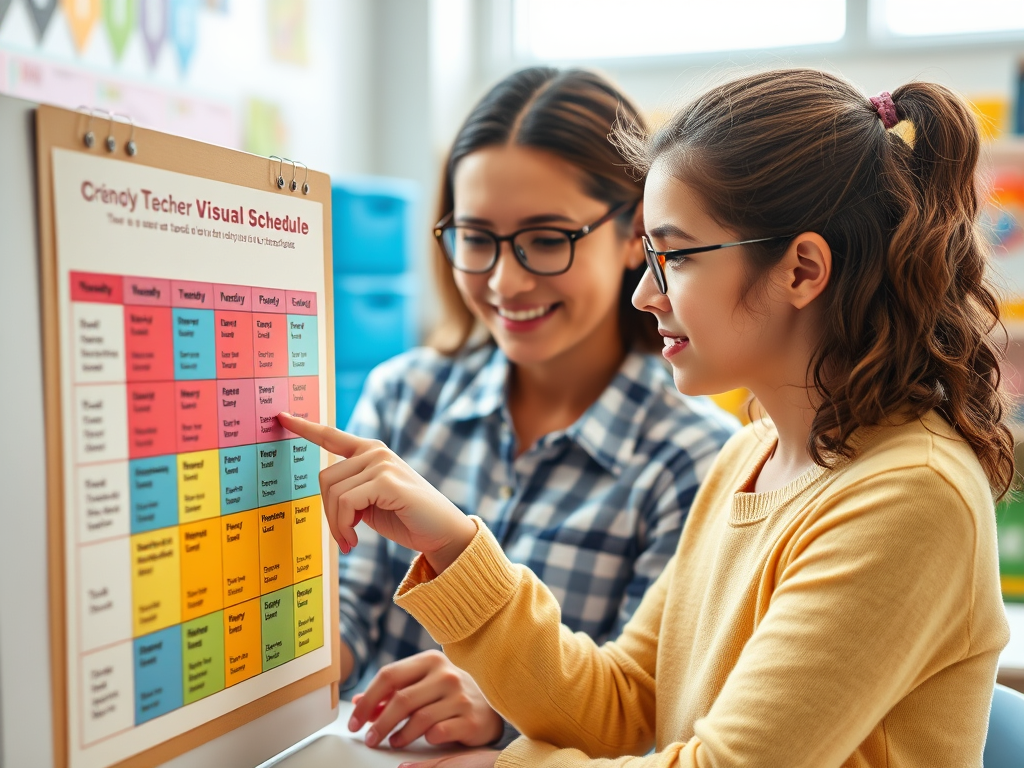
2. Visual Supports Reduce Anxiety
- First-Then Boards: Show the sequence of activities (e.g., “First math, then break”).
- Emotion Cards: Help children point to how they feel.
3. Teach Alternative Communication
- PECS/AAC Devices: Replace hitting with picture exchanges or voice-output tools.
- Simple Signs/Gestures: Teach gestures like “break” or “help.”
4. Proactive Sensory Breaks
- Create a calm corner with fidget toys or weighted blankets.
- Schedule breaks before meltdowns occur.
5. Social Stories & Role-Play
- Use stories like “Hands Are for Helping” to model alternatives.
- Practice during calm moments, not in the heat of frustration.
6. Consistency is Key
- Ensure all staff respond the same way: calm redirection, not punishment.
Strategies for Home
1. Build Predictable Routines
- Use visual schedules or timers to prepare for changes (e.g., “10 minutes until bedtime”).
2. Model Calm Behavior
- Use phrases like “Gentle hands” or “I see you’re upset. Let’s take a breath.”
- Praise efforts: “You asked for a break so nicely!”
3. Create a Safe Space
- Designate a quiet zone with soft lighting and favorite comfort items.
4. Reinforce Communication
- Celebrate when your child uses words, signs, or pictures instead of hitting.
5. Partner with Teachers
- Share what works at home and align strategies with school.
Real-Life Success Story
A student who hit during transitions started using a “break card” after teachers noticed the trigger was sudden changes. Within weeks, hitting reduced by 80% because he had a better way to communicate.
Key Takeaway
Hitting isn’t a “problem” to punish—it’s a signal to decode. With patience, consistency, and the right tools, children can learn safer ways to express their needs.
💬 Have you tried these strategies? Share your experiences below!
🔄 Tag a parent or educator who needs to see this.
📢 #AutismSupport #BehaviorIsCommunication #TeachDontPunish #InclusiveEducation #SensoryFriendly
✨ For more resources, follow #AutismAcceptance and #Neurodiversity advocates!


Leave a comment