
Introduction
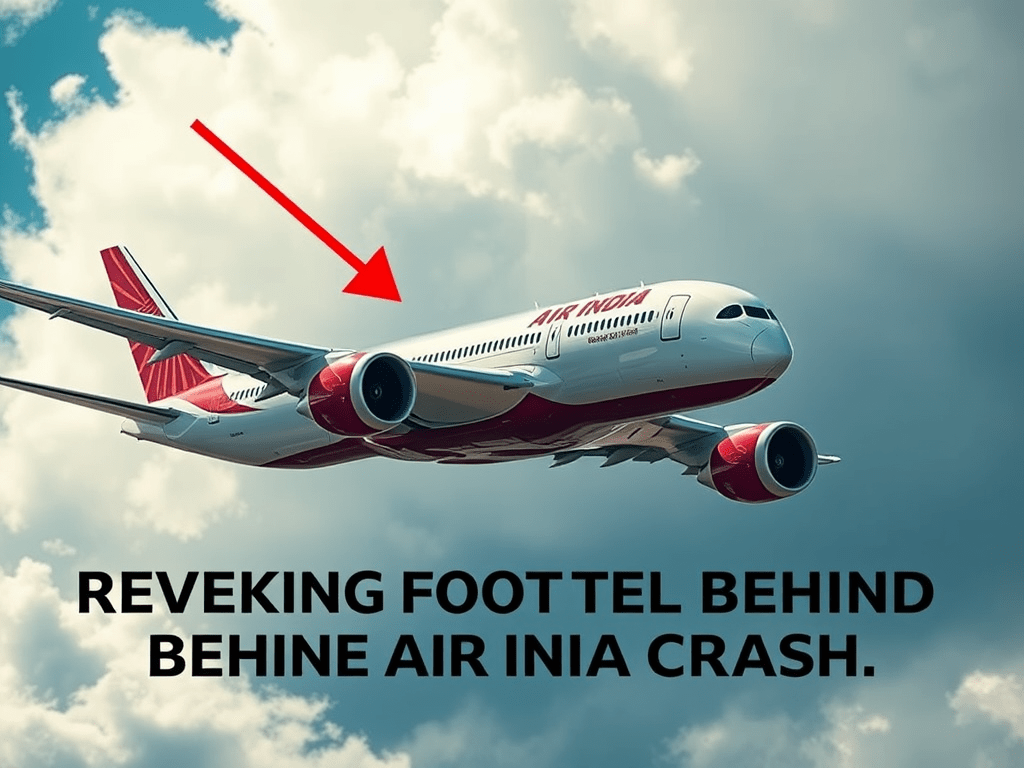
The recent Air India Boeing 787 crash in Ahmedabad has sent shockwaves through the aviation world. While investigators scramble to uncover the cause, a Class 12 student’s video may hold the biggest clue yet. Aryan Asari’s footage captured the aircraft’s final seconds, revealing the deployment of the Ram Air Turbine (RAT)—a last-resort emergency power system.
This blog breaks down the key findings, expert theories, and what this tragic incident means for aviation safety.
Key Findings from the Student’s Video
1. The Ram Air Turbine (RAT) Deployment
- The RAT is an emergency power generator that activates only when both primary and backup systems fail.
- Its presence suggests total electrical failure, hydraulic loss, or even dual engine failure.
- The RAT works best at cruising altitude, but the plane was only 625 feet in the air—too low for effective recovery.
📹 Relevant Video: How the Ram Air Turbine Works (YouTube)
2. Landing Gear & Wing Flaps Still Down
- The video shows the landing gear was still extended, and wing flaps weren’t retracted.
- This would cause massive drag, reducing lift and making it nearly impossible to climb.
- Some experts initially suspected flap retraction errors, but the RAT suggests multiple system failures.
3. Eyewitness & Survivor Accounts
- A loud bang, cabin lights going out, and a sudden green glow (possibly from the RAT) match the sole survivor’s description.
- The pilot had already issued a mayday call seconds before impact.
Expert Theories on What Went Wrong
1. Total Electrical & Hydraulic Failure
- The RAT deployment indicates catastrophic power loss, possibly due to:
- Dual engine flameout
- Electrical system malfunction
2. Fuel Contamination?
- Refueling took 42 minutes, but this is normal for long-haul flights.
- No immediate evidence points to bad fuel.
3. Bird Strike? Unlikely
- No bird carcasses found on the runway or in the wreckage.
- No visible mid-air impact in the footage.
📹 Relevant Video: How Bird Strikes Affect Aircraft (YouTube)
Flight Data Snapshot Before the Crash
| Parameter | Value |
|---|---|
| Aircraft | Boeing 787-8 Dreamliner |
| Altitude | 625 ft |
| Ground Speed | 174 knots |
| Vertical Speed | 223° (rapid descent) |
The data suggests the plane was too low for the RAT to provide meaningful recovery time.
What’s Next? Black Box Analysis
Investigators will rely on:
- Cockpit Voice Recorder (CVR) – Pilot communications.
- Flight Data Recorder (FDR) – System performance logs.
📹 Relevant Video: How Black Boxes Work (YouTube)
Conclusion
Aryan Asari’s video has provided crucial evidence, pointing to a severe system failure. While the exact cause remains under investigation, the RAT deployment, landing gear position, and flight data suggest a multi-system breakdown.
🔍 Stay updated as the investigation unfolds.
Hashtags
AirIndiaCrash #Boeing787 #AviationSafety #RAT #RamAirTurbine #PlaneCrash #AviationInvestigation #AhmedabadCrash
Suggested YouTube Links for Further Watching
- How the Ram Air Turbine Saves Failing Aircraft
- Boeing 787 Emergency Procedures Explained
- Worst Aviation Disasters & Their Causes


Leave a comment