
education
-
Gamification in Education: Top 20 Tools to Make Learning Fun & Engaging! & 🎮 Ultimate Gamification Tools Comparison Chart

🚀 #EdTech #GamifiedLearning #TeacherTools #EngagedClassroom #21stCenturyLearning #Kahoot #Quizizz #BlendedLearning Why Gamification? Gamification transforms traditional learning into an interactive, competitive, and rewarding experience. By integrating game elements into lessons, teachers can boost student engagement, retention, and motivation. Here are 20 powerful gamification tools every educator should know about: 🎮 Top Gamification Tools for Teachers 1. Kahoot… Continue reading
-
🚀 10 New Canva AI Tools Every Teacher Must Know About!

In today’s fast-paced classrooms, teachers need tools that save time and enhance creativity. Enter Canva’s latest AI-powered tools, specially designed to help educators work smarter, not harder! Whether you’re creating lesson plans, charts, or certificates, Canva’s new features make it easier than ever. Here’s a quick, friendly guide to 10 amazing new Canva AI tools… Continue reading
-
Save Time with These Essential AI Tools for Teachers

🚀 #EdTech #AIToolsForTeachers #FutureOfEducation #TeacherLife #ClassroomTech #LessonPlanning #TimeSavingTools #DigitalClassroom Introduction Tired of spending hours on lesson plans, presentations, and grading? AI is here to help! From auto-generating quizzes to designing stunning visuals, these 35 AI-powered tools will save you time, spark creativity, and engage your students like never before. Here’s your ultimate cheat sheet for… Continue reading
-
Understanding Autism: A Deep Dive Into Neurodiversity
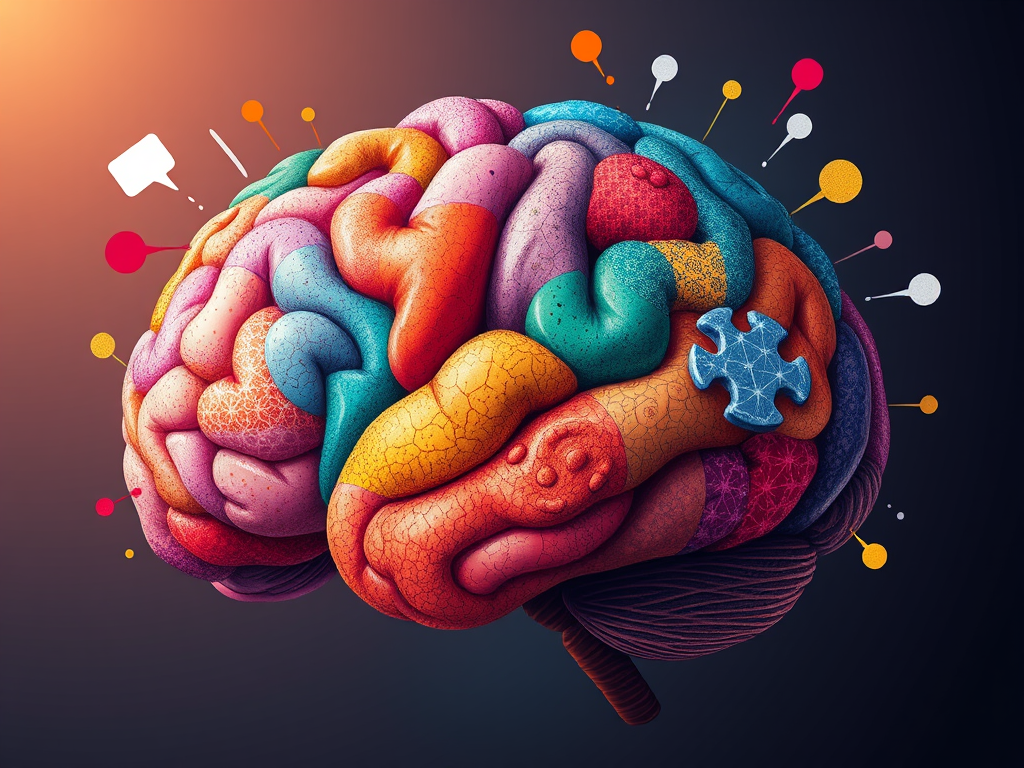
🧠 #AutismAwareness #Neurodiversity #ActuallyAutistic #SensoryProcessing #AutismAcceptance #DifferentNotLess #AutismEducation #MentalHealthMatters Introduction Autism isn’t a “disorder”—it’s a different way of experiencing the world. From sensory perception to social interaction, autistic individuals navigate life with unique strengths and challenges. This blog breaks down the key aspects of autism to foster understanding, empathy, and better support for neurodivergent minds.… Continue reading
-
Born to Teach PYP? 5 Signs You’re Meant for Inquiry-Based Education!

🌍 #PYPTeacher #InquiryBasedLearning #IBEducator #GlobalMindset #FutureOfEducation #TeachDifferent #StudentLedLearning #IBWorldSchool Introduction The Primary Years Programme (PYP) isn’t just a curriculum—it’s a mindset. If you believe learning should be driven by curiosity, not memorization, you might be destined to be a PYP teacher! Here are 5 undeniable signs that you’re cut out for this transformative approach to… Continue reading
-
Understanding Hitting in Autistic Children: Compassionate Strategies for Home & School
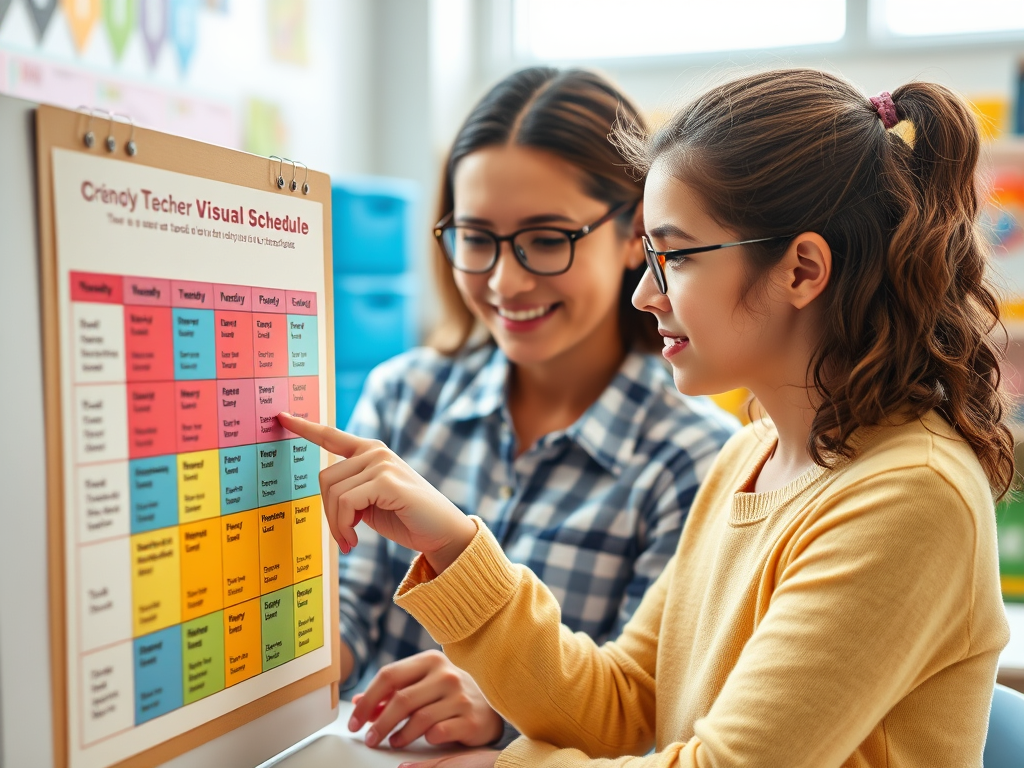
🧩 #AutismAwareness #SensorySupport #BehaviorCommunication #SpecialEducation #Neurodiversity #ParentingTips #AutismParenting #CalmNotCrisis Introduction Hitting behavior in autistic children is often misinterpreted as defiance or aggression. In reality, it’s a form of communication—a signal that something feels overwhelming, frustrating, or unmet. As a special educator, I’ve seen how the right strategies can transform hitting into healthier expressions of need.… Continue reading
-
Civil Service Day: Legends Who Shaped India

🇮🇳 #CivilServiceDay #IASLegends #NationBuilders #IndianHistory #UnsungHeroes #IPS #IFS Introduction Behind India’s journey from colonial rule to a thriving democracy lies the untold stories of visionary civil servants—IAS, IPS, and IFS officers who built institutions, defended borders, and shaped policies. On Civil Service Day, we celebrate these pioneers whose contributions laid the foundation for modern India.… Continue reading
-
Rethinking Grammar: A New Approach to Language Learning

Stop Teaching Grammar! (Here’s What Works Better) 🔥 #LanguageLearning #GrammarRevolution #TeachSmarterNotHarder #CommunicativeApproach #LinguisticsNerd #StudentCentered #RealWorldLearning #KarinaZew Introduction For decades, grammar instruction has been dominated by rules, exceptions, and drills—but what if this traditional approach is actually holding students back? Language educator Karina Zew argues that grammar isn’t learned through explanations—it’s acquired through exposure, interaction, and… Continue reading
